
What are Public Diners?
State-supported restaurants serving high-quality meals at low prices for everyone

Core principles
Public diners are defined by seven key characteristics.
-
State supported
1Public diners operate with public funding or other forms of public support (for example, rent controls, tax breaks). This differentiates them from private restaurants and from charitable food provision.
-
Democratic
2Public diners are democratic institutions. They have formal mechanisms for public scrutiny and participation.
-
Universal
3Public diners are open to everyone. They are not targeted at, or exclusive to, any particular group. Public diners are there for everyone.
-
Affordable
4Public diners serve meals at low prices. They also have formal concessionary schemes to ensure everyone can eat there.
-
Real good food
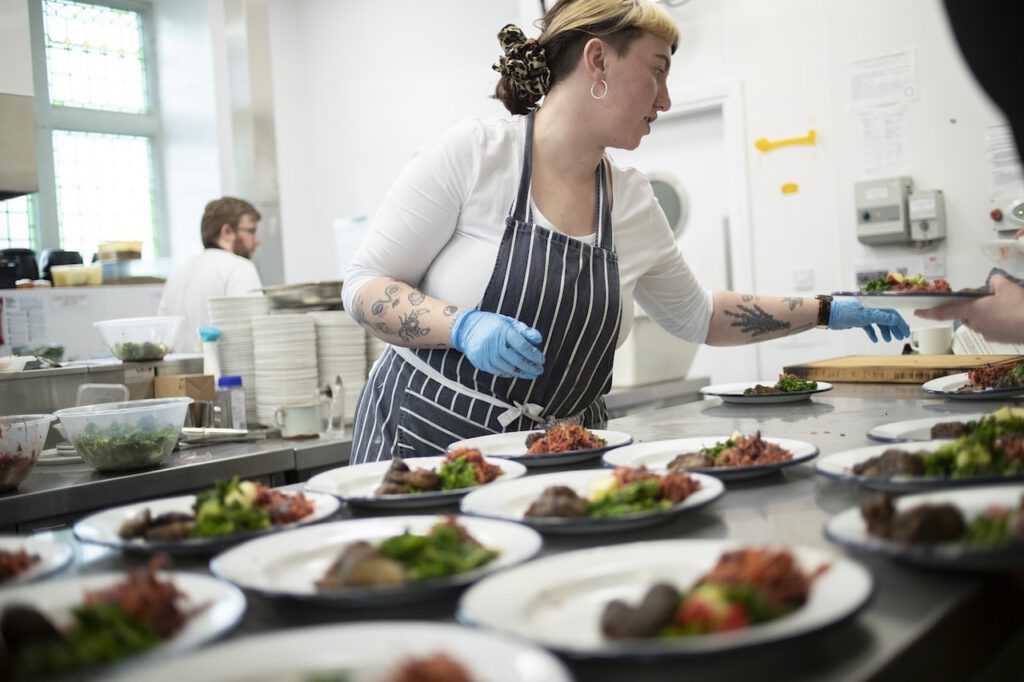
5Public diners serve meals that taste good, celebrate local flavours, care for the planet and can be enjoyed by everyone.
-
Appealing
6Public diners are regular restaurants. They are places that are convenient and appealing for everyone to eat at.
-
Long-term
7Public diners are fixed parts of neighbourhoods. They are also fixed parts of the social safety net.

Public Diners:
Why now?

Climate
Public diners can help lead the way for a more environmentally sustainable food system.
They will do this by enabling more climate friendly practices at every stage – offering new routes to market for local, agroecological produce, designing menus with “less and better” meat and controlling food waste.
Democracy
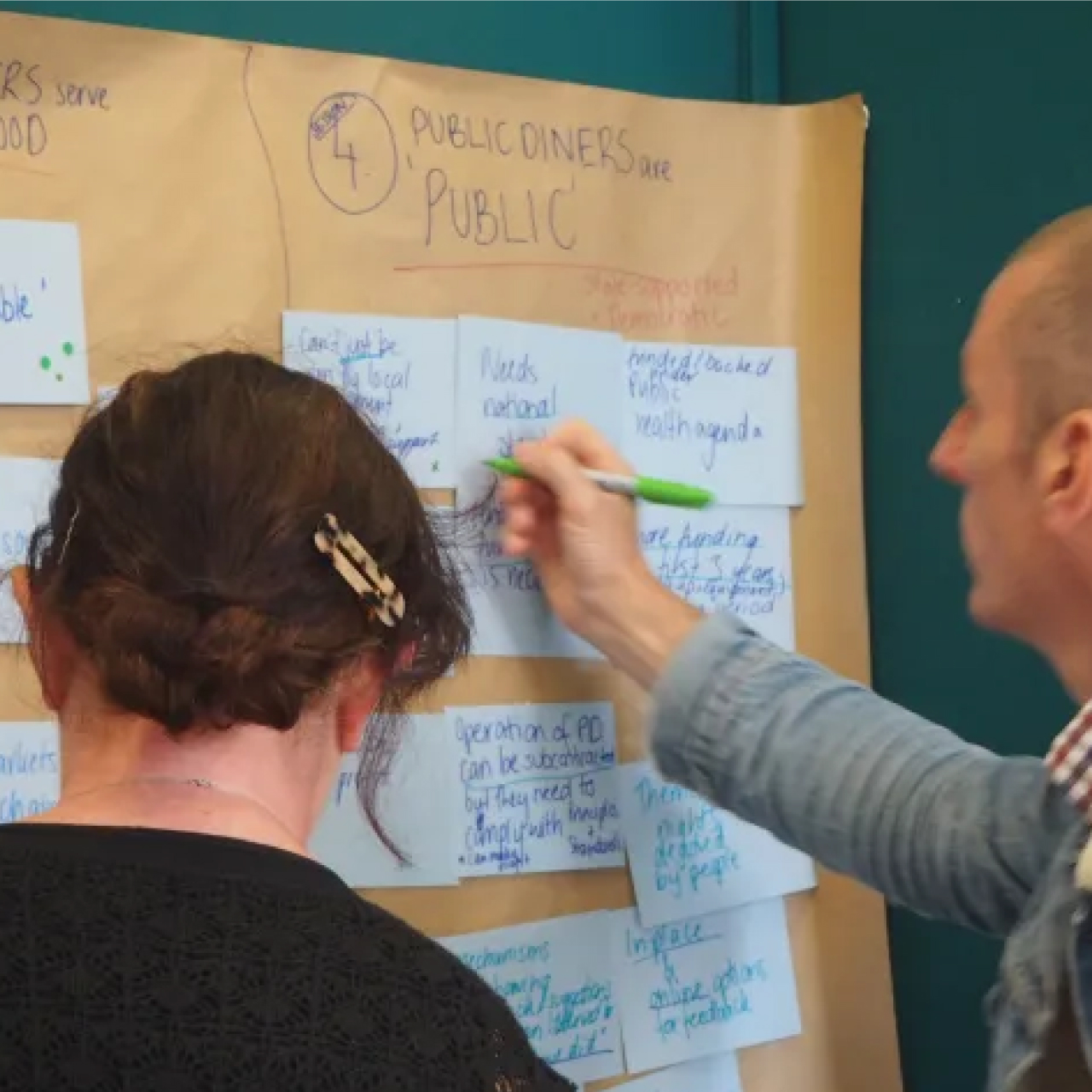
Public diners enable more public participation in the food environment.
They are infrastructure through which a robust public voice can enter and shape the food environment. In public diners we are citizens with control of our fundamental right to food, not consumers eating the consequences of our wallet size.
Employment
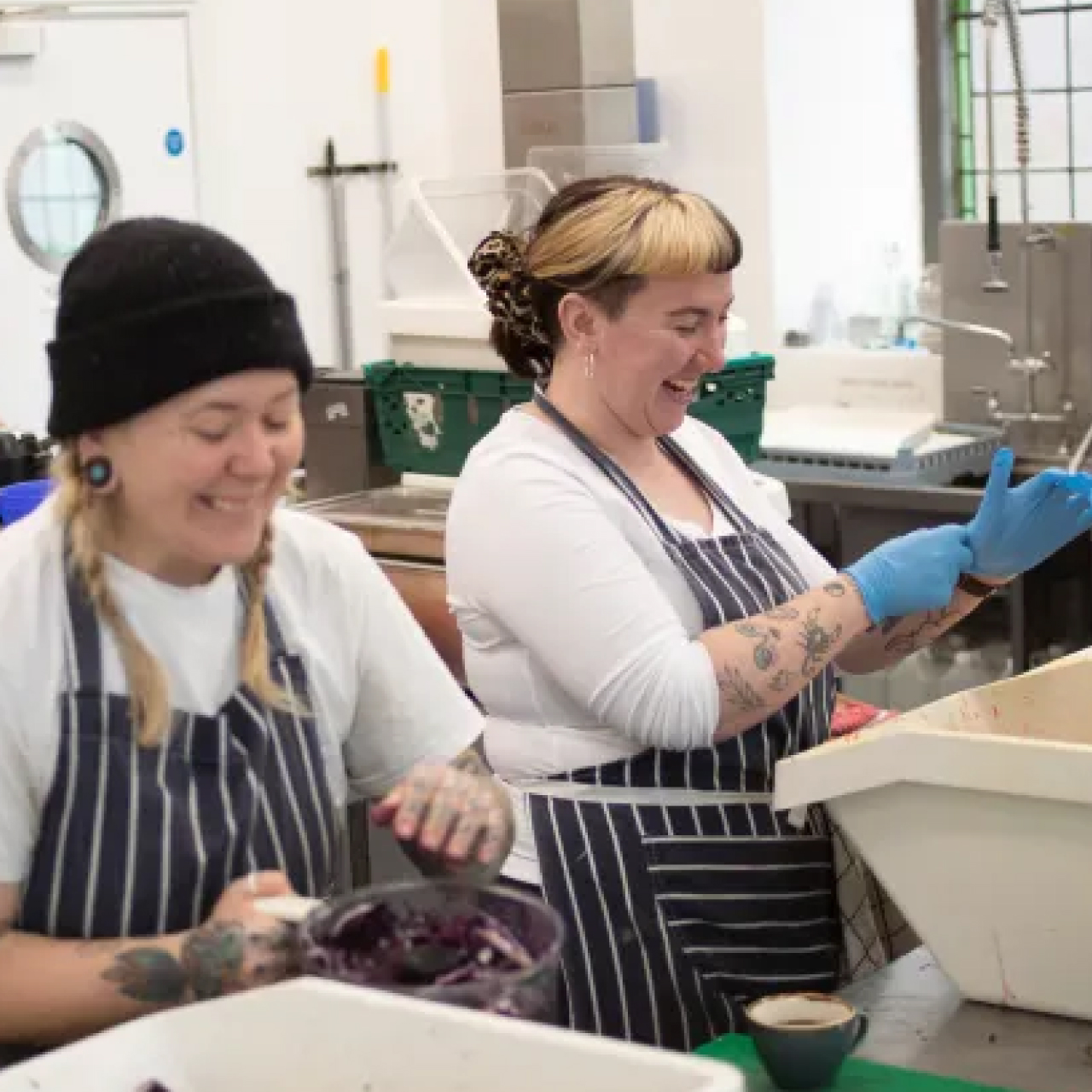
Public diners offer the opportunity to create more local jobs and inject more value into the food sector.
They model good working conditions for chefs, front of house, producers, suppliers and everyone in between. They also offer a perfect training environment for the future generation of cooks and chefs.
Gender equality
Public diners will also help progress toward more gender equality in our neighbourhoods.
Today, women are frequently still more likely to work the double shift of full-time employment and handle dinner after work and school. By alleviating hours of kitchen labour that is disproportionately put on women, public diners offer an effective way to help and redistribute labour.

Public health
Public diners are a bold, upstream approach to public health.
They will deliver what the market currently struggles to: healthy meals at affordable prices in a convenient way. Public diners bring down the current barriers to eating well – cost, time, energy, facilities – and enable population level dietary improvements.
Right to food
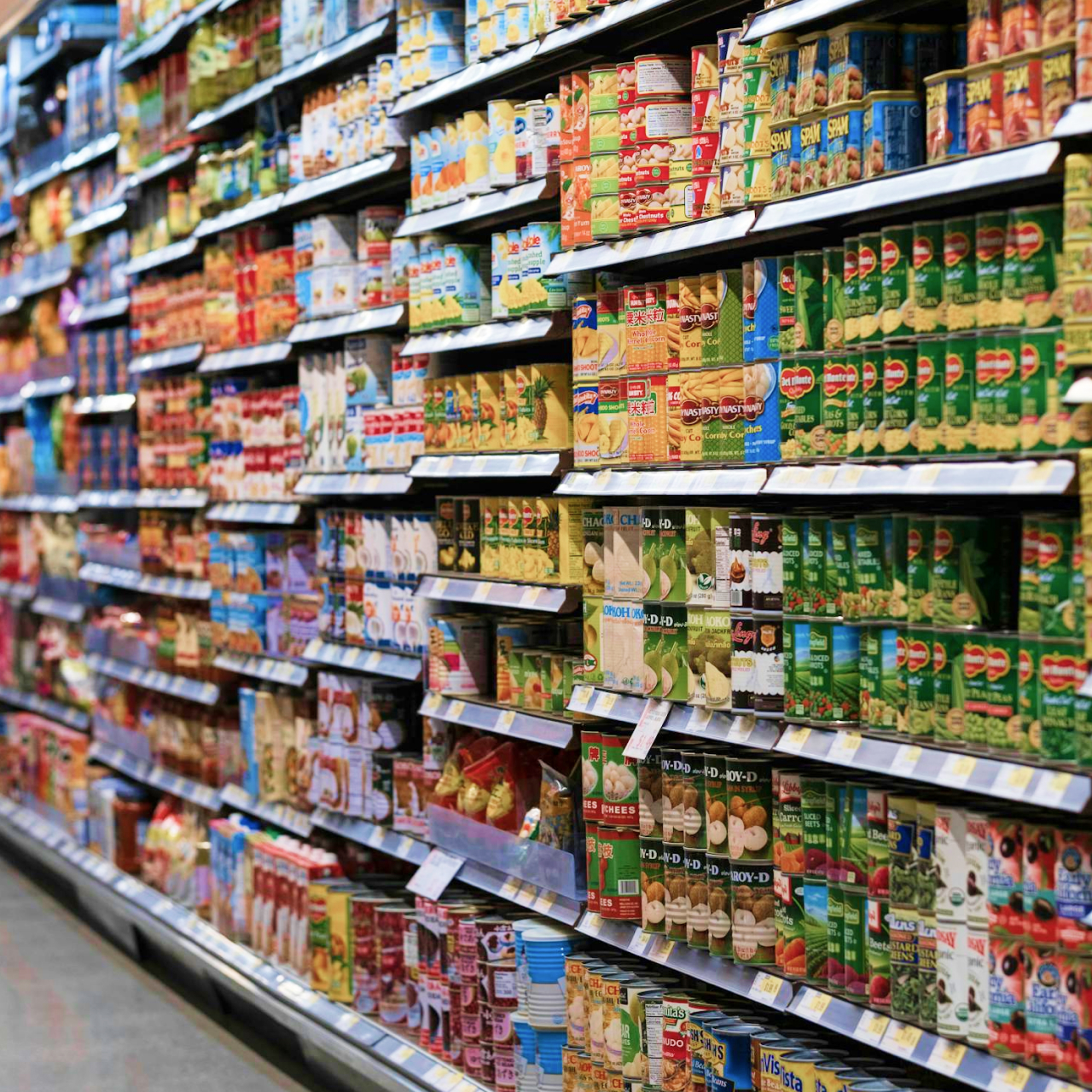
We have the right to education, we have the right to healthcare – we also have the right to food.
That means the state has to step up to support a food environment where citizens can choose, afford and enjoy the food that will keep them well. Public diners offer the State a mechanism through which they can deliver their duty to protect the right to food.
Town regeneration
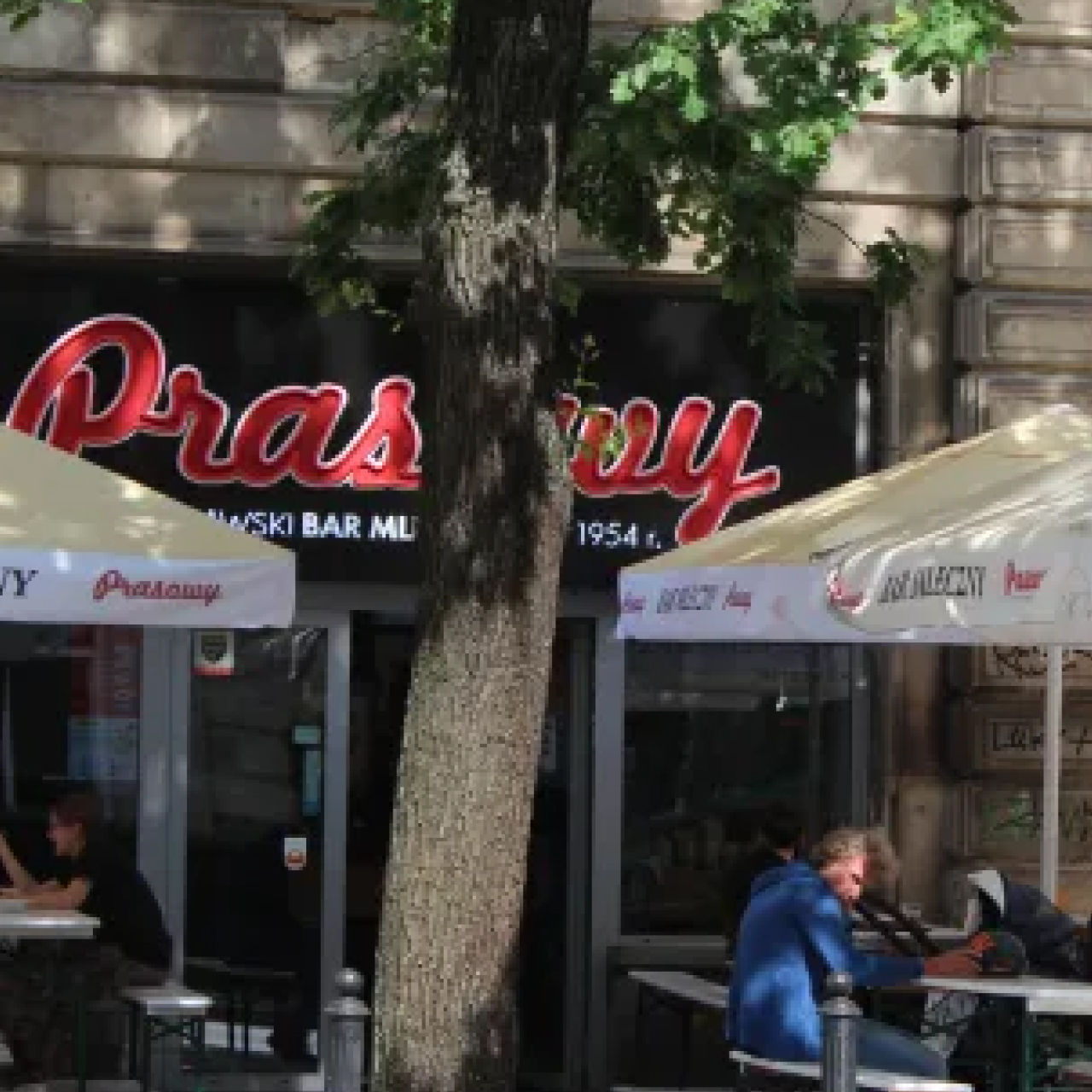
Public diners help connect and revitalise neighbourhoods.
Placed near schools, offices, shops and bus stops, they normalise being able to eat out and be out in neighbourhoods across the country.
They increase footfall on high streets, create more economic opportunities for local producers and free up more disposable income to be circulated in local economies. They also create the space for stronger social fabrics to develop.
Food system transformation has been identified as one of the six levers for achieving Sustainable Development Goals.
If we get a piece of public infrastructure that helps us to eat better – we stand to gain many benefits.