
Public Diners
Why Now?
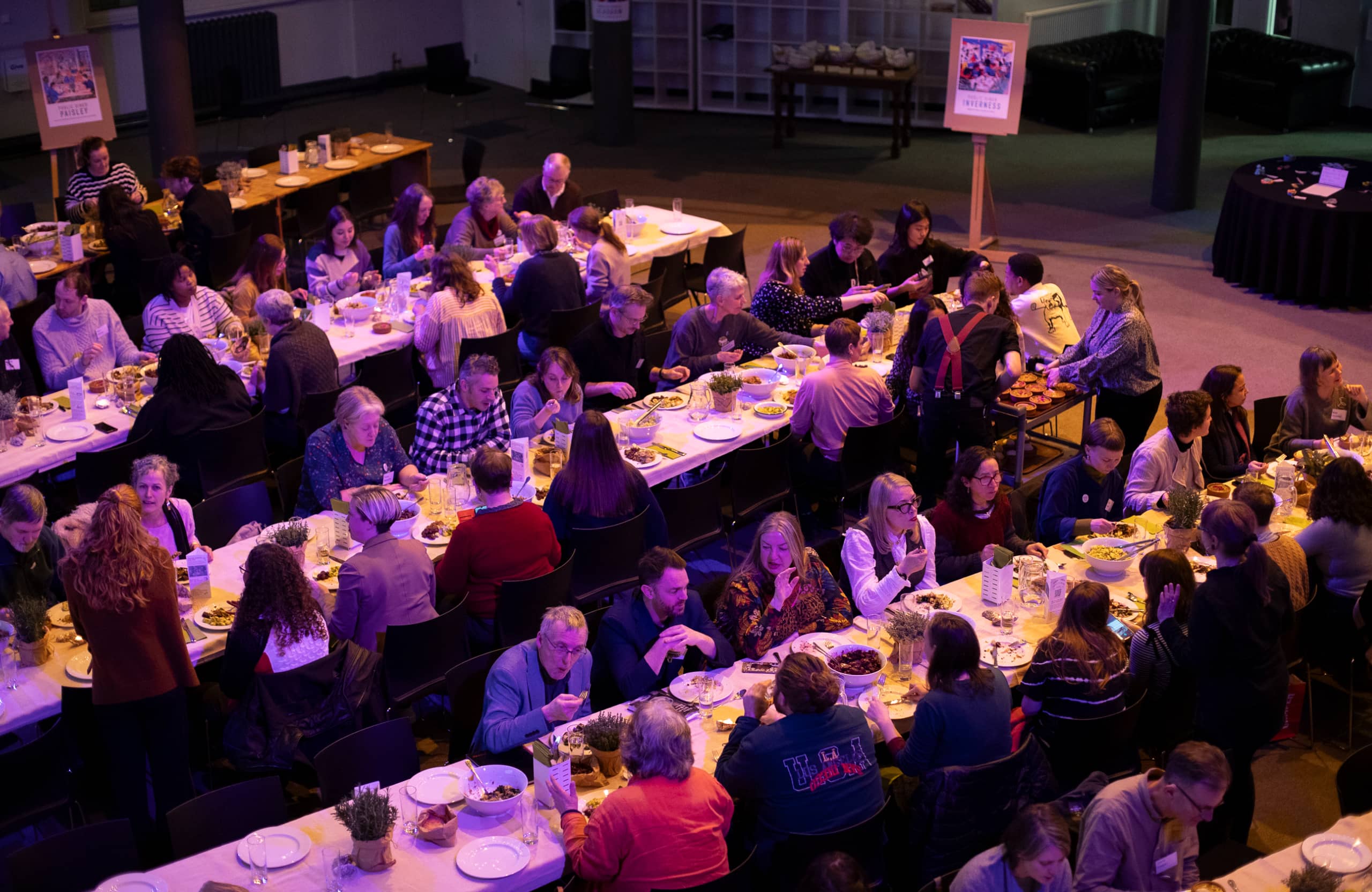
It is surprising that public diners aren’t already up and running in the UK. Food is one of our most basic human needs and rights, and it has one of the biggest impacts on our health, our climate and our communities.
Yet unlike other important areas of life – education, healthcare, transport, even our mail – food does not have public infrastructure to support quality access.
Food system transformation has been identified as one of the six levers for achieving Sustainable Development Goals. If we get a piece of public infrastructure that helps us to eat better – we stand to gain many benefits.
1
Right to food
We have the right to education, we have the right to healthcare – we also have the right to food. That means the state has to step up to support a food environment where citizens can choose, afford and enjoy the food that will keep them well. Public diners offer the State a mechanism through which they can deliver their duty to protect the right to food.
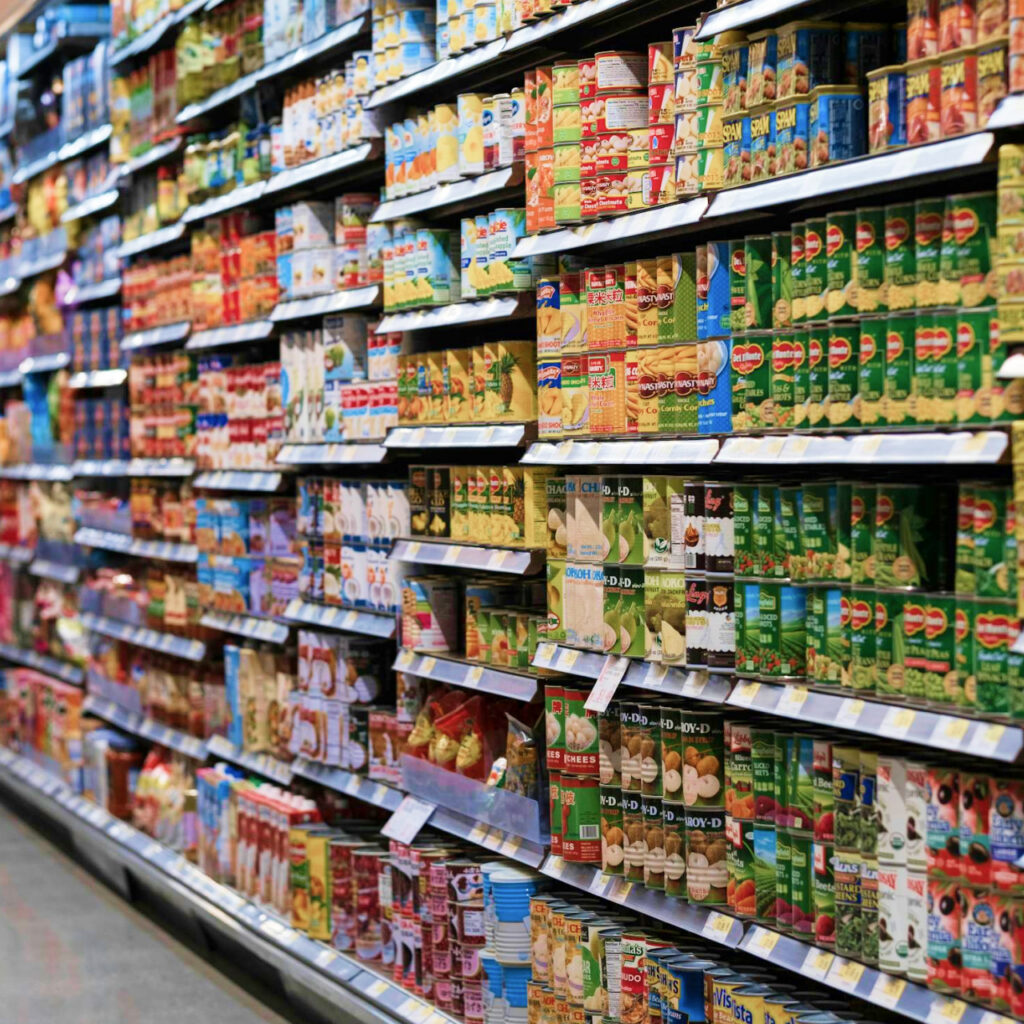
The right to food is the right to be able to choose, afford and enjoy food. The duty on the State is not to hand out food but to provide an “enabling environment in which people can use their full potential to produce or procure adequate food for themselves and their families.” Yet, in the UK today, barriers to accessing and affording good food are multiplying unevenly. It’s not just that the cost of a healthy, sustainable diet is more expensive than an unhealthy one, time and energy to cook is being squeezed by working schedules, some towns have 5 grocers, others have none.
That the state allows this environment to continue is not only in violation of the right to food – it’s also unique. Consider water, for example, another one of our basic human rights – we have made sure everyone has universal access to that regardless of income. The same goes for healthcare, education, even wifi access. Here the state has stepped in with the recognition that these things are too important for us to leave entirely to the market.
Public diners are a response to this same recognition: our right to food is too important to leave to markets. They are a way for the State to discharge its responsibility to make good food available for all.

2
Public health
Public diners are a bold, upstream approach to public health. They will deliver what the market currently struggles to: healthy meals at affordable prices in a convenient way. Public diners bring down the current barriers to eating well – cost, time, energy, facilities – and enable population level dietary improvements.
It’s been almost a decade since poor diet overtook smoking as the leading cause of preventable death. In financial terms, reporting estimates that poor diets cost the UK £268 billion each year – almost the entire annual healthcare spend. Beyond the financial cost, poor diets are shaving years off healthy life expectancies and continuing to widen health inequalities across the country.
While public health campaigns have long urged individuals to eat more vegetables or cook from scratch, this strategy overlooks the structural barriers that prevent people from acting on them – busy lives, tight budgets and a food environment where the most affordable and convenient food options are often the ones least good for us.
Public diners are a public health intervention that helps create an actual change in the food environment. They are infrastructure that offers affordable, convenient and nutritious meals so we can all eat well. It’s an investment in better diets, saving us from much more expensive problems down the line.
3
Climate
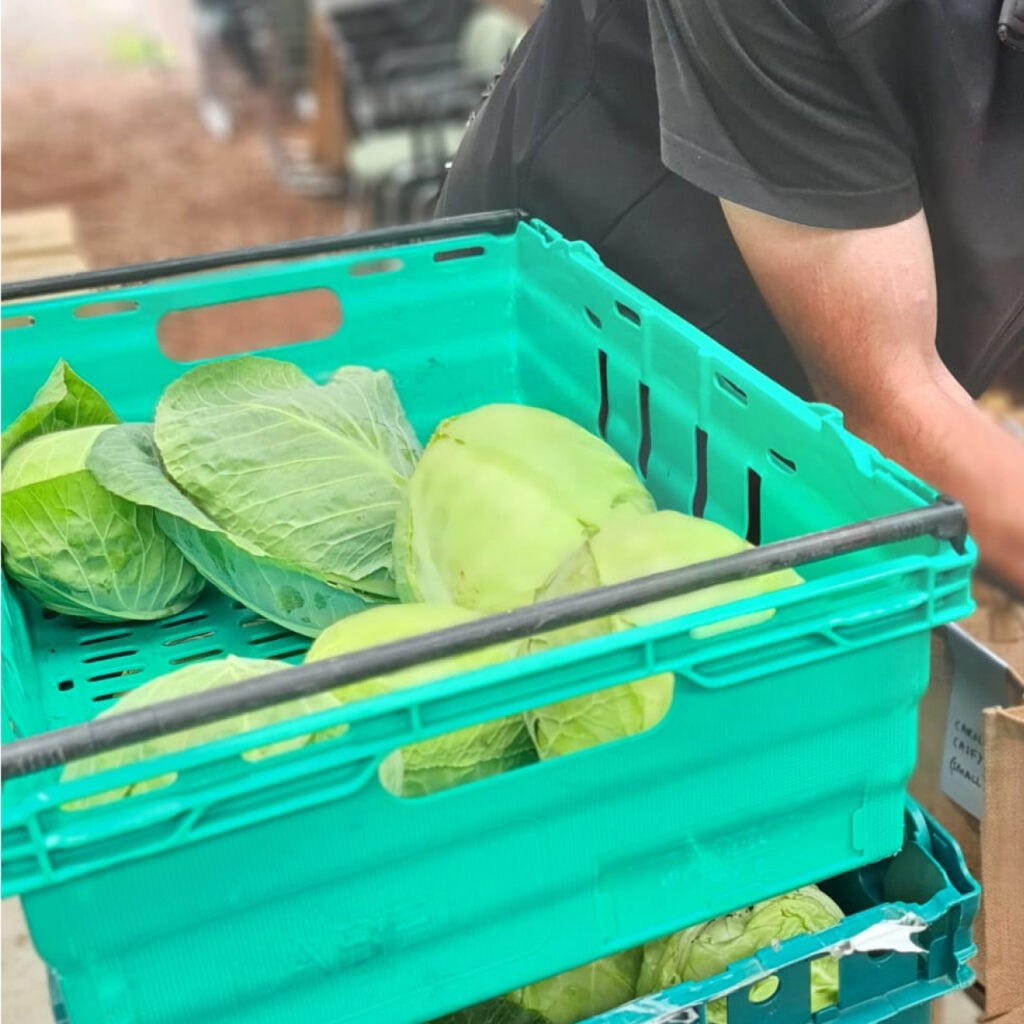
Public diners can help lead the way for a more environmentally sustainable food system. They will do this by enabling more climate friendly practices at every stage – offering new routes to market for local, agroecological produce, designing menus with “less and better” meat and controlling food waste.
Currently, the food system accounts for over a third of the UK’s greenhouse gas emissions. That’s not because people want to import, produce and eat food that harms the planet, it’s because climate friendly food just isn’t the most affordable, convenient option today.
Public diners can help to address three key food-related contributors to climate change: unsustainable farming practices, meat-heavy diets and food waste.
By sourcing, at least in part, from organic and agroecological farms, public diners can help stimulate the supply of climate friendly produce, supporting biodiversity and soil health, and a reduced dependency on fossil fuels. Public diners model new diets which do not depend on meat alone to be tasty or appealing. By designing menus around seasonal vegetables, legumes and “less and better” meat, they prove that climate-friendly menus can be tasty, diverse and appealing for everyone. They also contribute to solving persistently high food waste levels. 70% of our food waste is generated at home, often because it is not used in time.
4
Employment
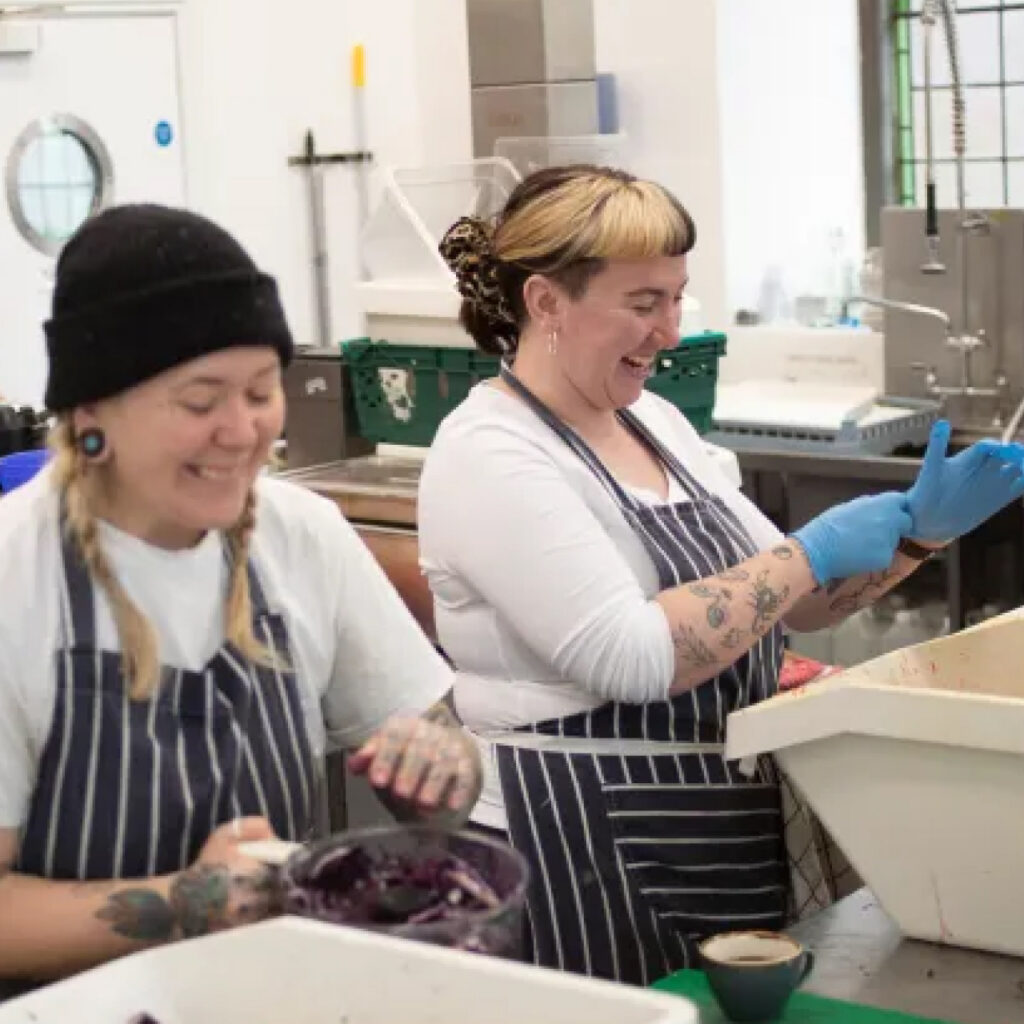
Public diners offer the opportunity to create more local jobs and inject more value into the food sector. They model good working conditions for chefs, front of house, producers, suppliers and everyone in between. They also offer a perfect training environment for the future generation of cooks and chefs.
5
Town regeneration
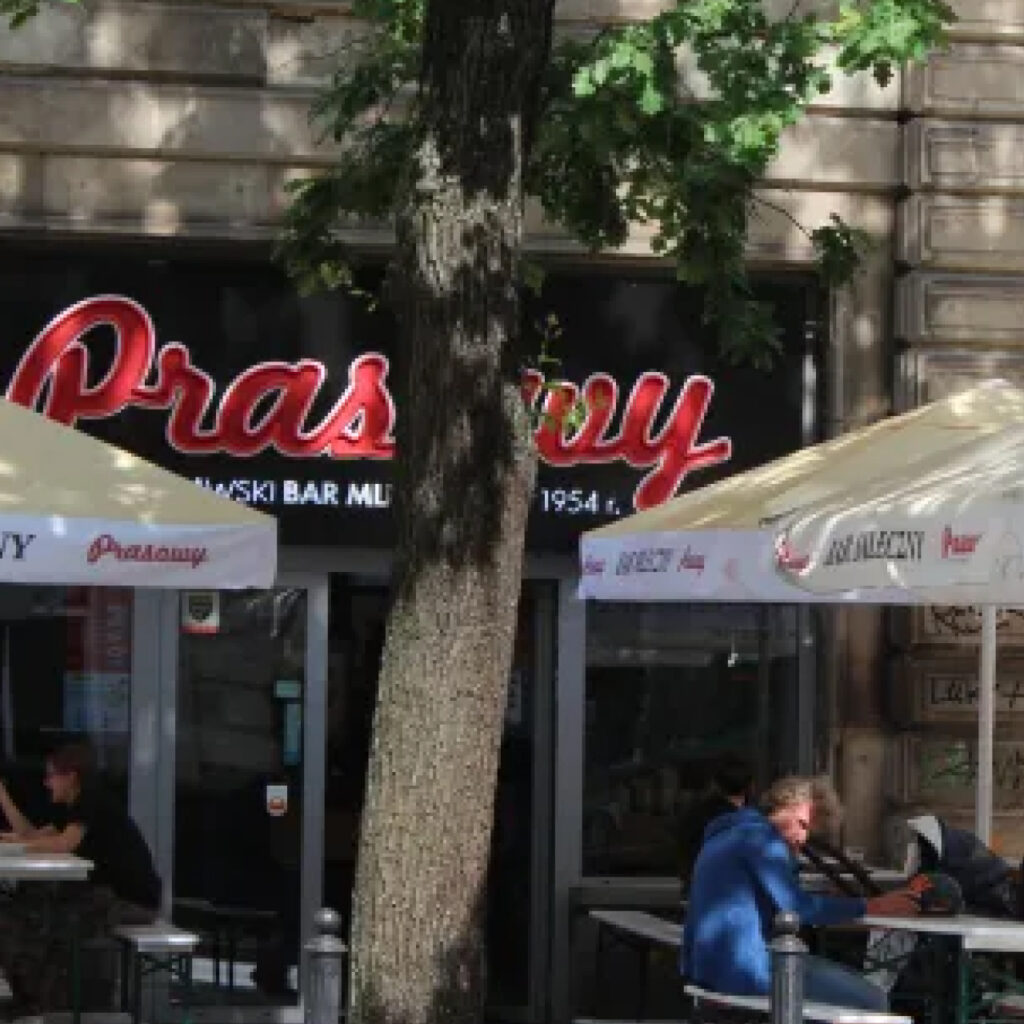
Public diners help connect and revitalise neighborhoods. Placed near schools, offices, shops and bus stops, they normalise being able to eat out and be out in neighbourhoods across the country. They increase footfall on high streets, create more economic opportunities for local producers and free up more disposable income to be circulated in local economies. They also create the space for stronger social fabrics to develop.
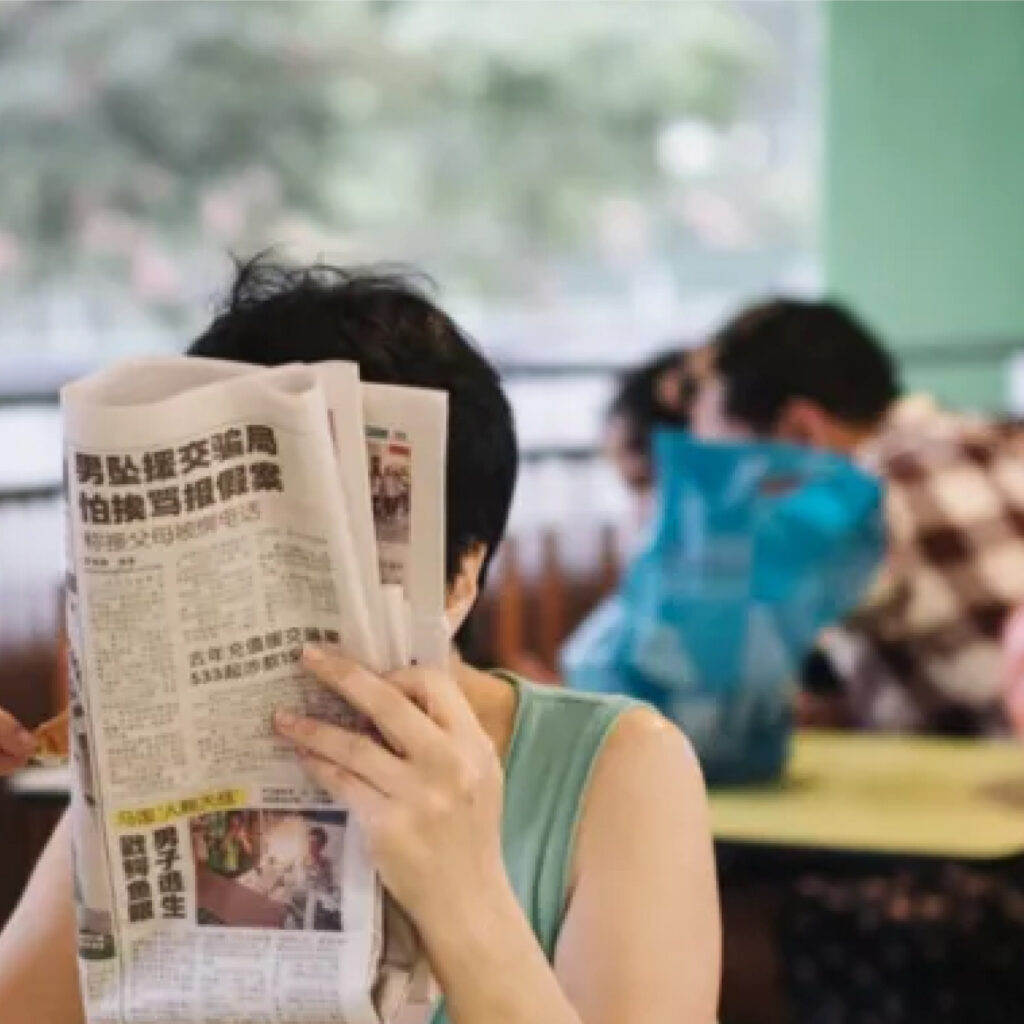
If you live in the UK, it is typical to eat 10 meals a week completely alone. Empty shops, broken playgrounds, declining high streets not only limits opportunities for employment but also for connection – it affects the resilience and wellbeing of neighbourhoods. An investment in public diners is an investment in building social fabrics. It carves out physical space for relations to develop in neighbourhoods and also frees up time and energy for those relations to flourish.
6
Gender equality
Public diners will also help progress toward more gender equality in our neighbourhoods. Today, women are frequently still more likely to work the double shift of full-time employment and handle dinner after work and school. By alleviating hours of kitchen labour that is disproportionately put on women, public diners offer an effective way to help and redistribute labour.
7
Democracy
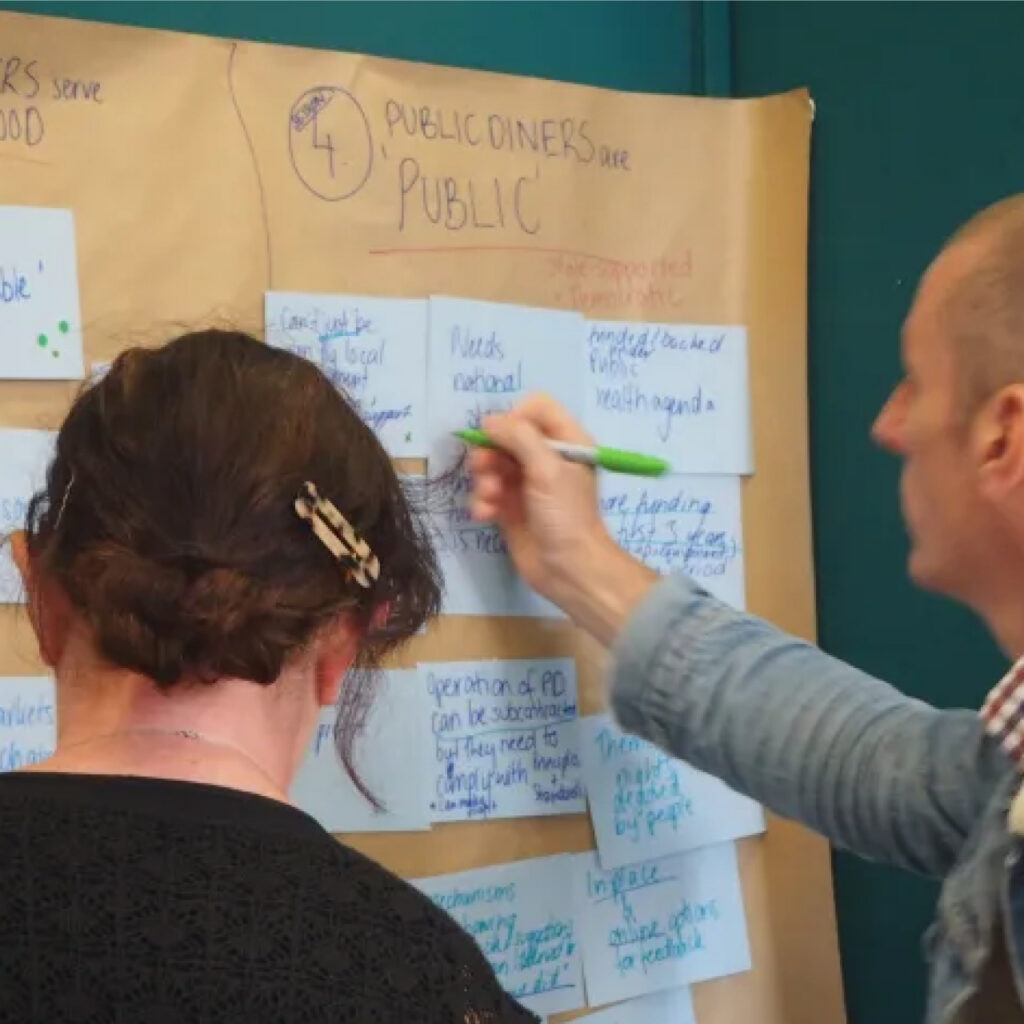
Public diners enable more public participation in the food environment. They are infrastructure through which a robust public voice can enter and shape the food environment. In public diners we are citizens with control of our fundamental right to food, not consumers eating the consequences of our wallet size.