
Poland: Bary mleczne
Milk bars
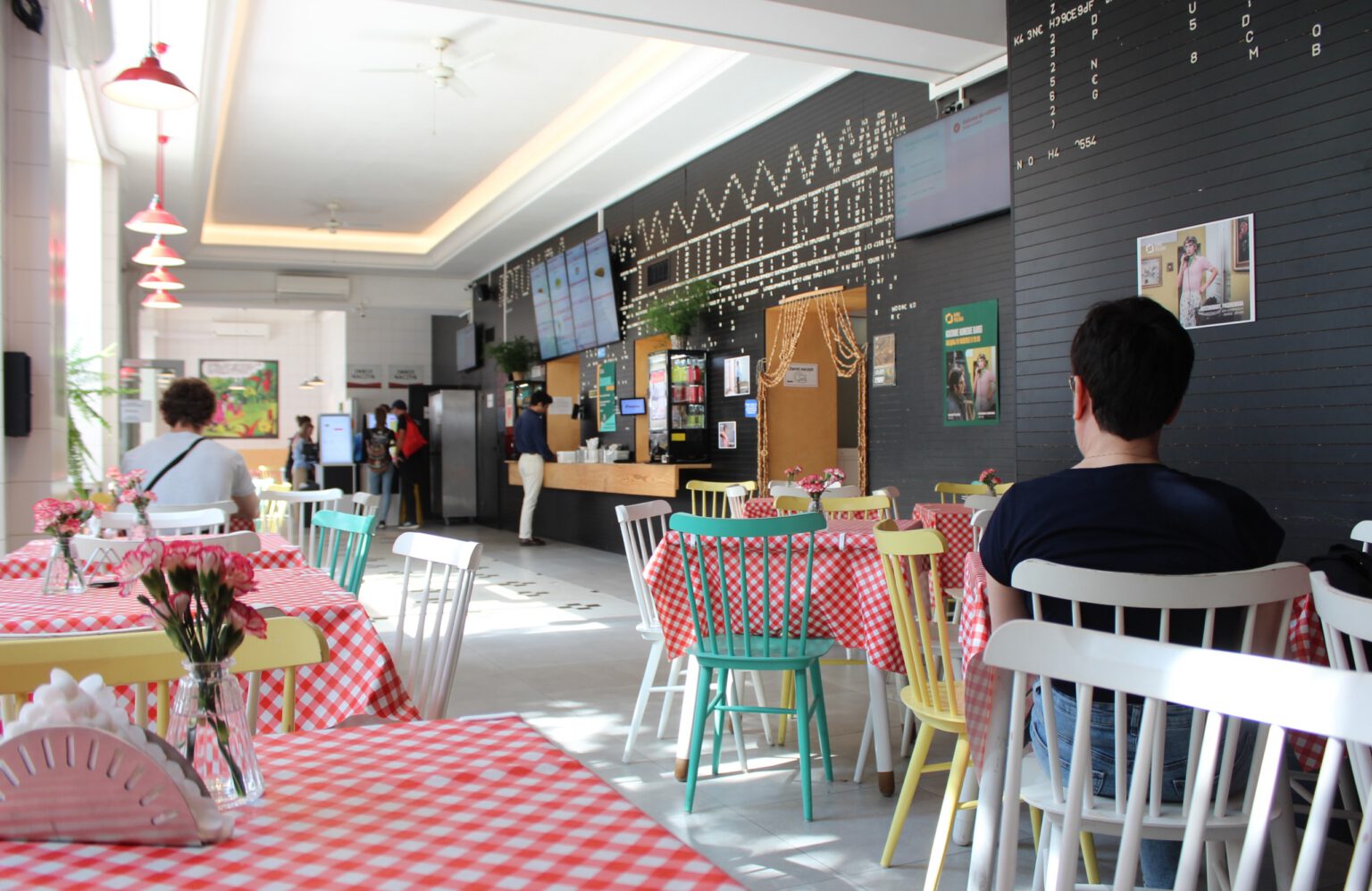
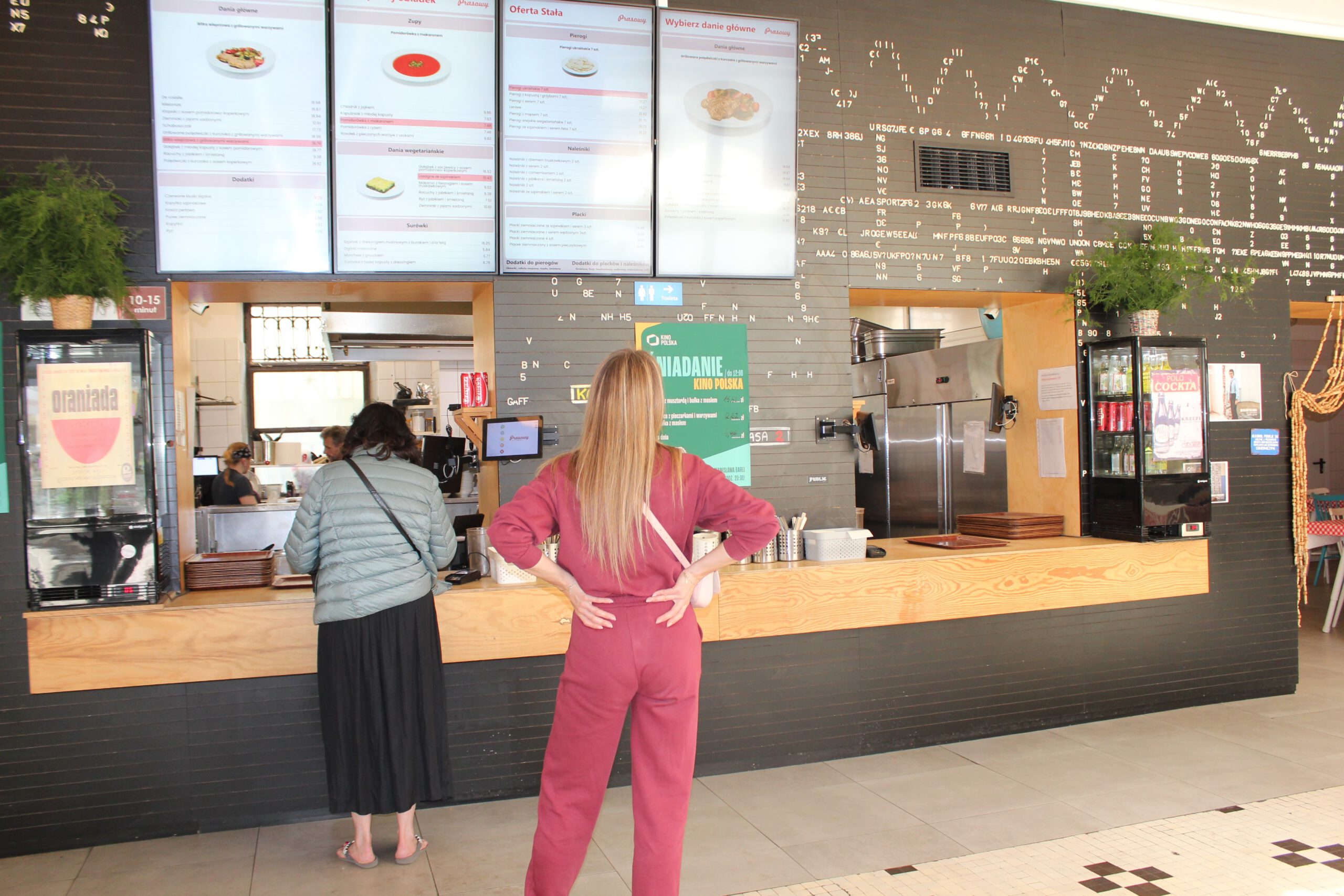
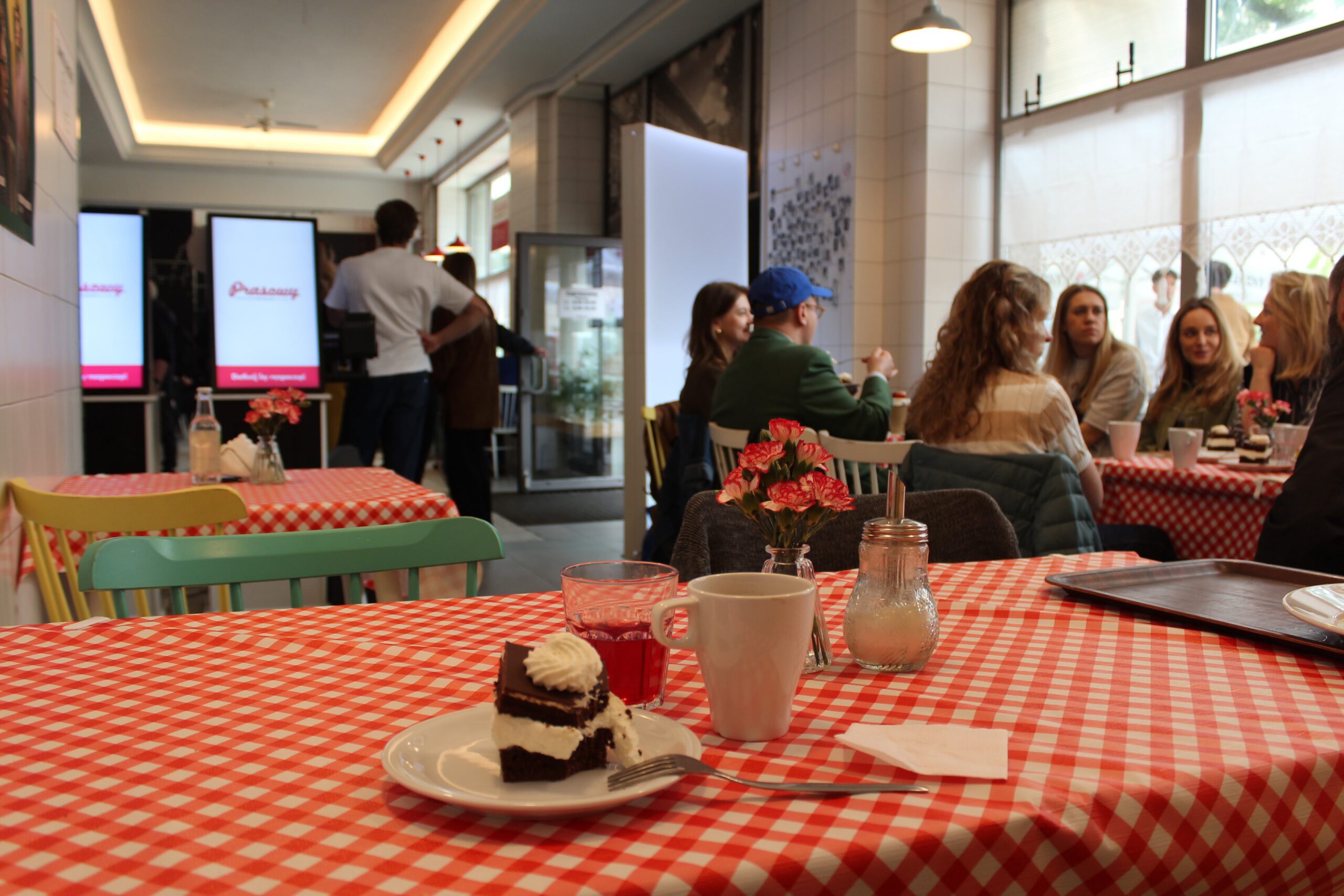
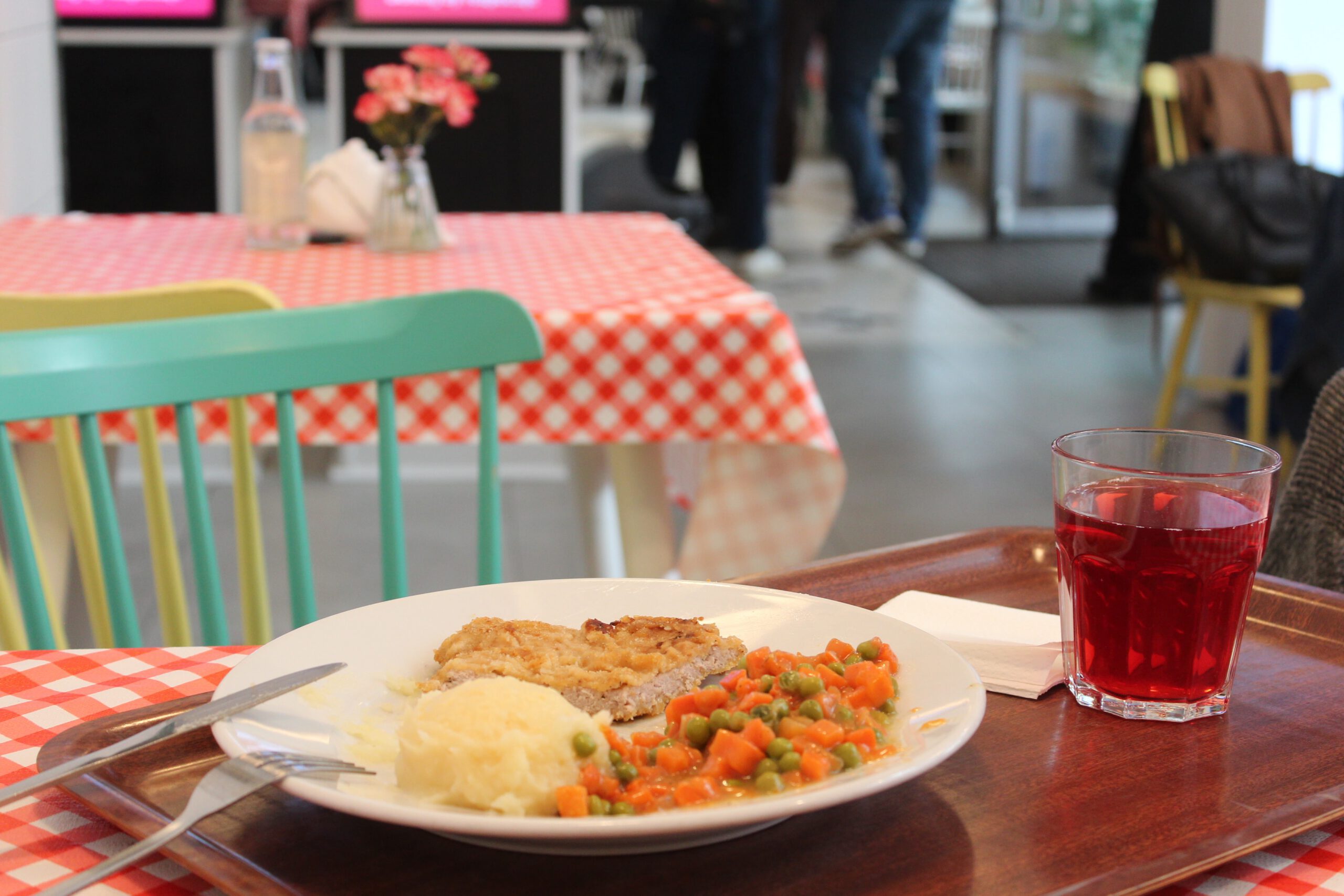
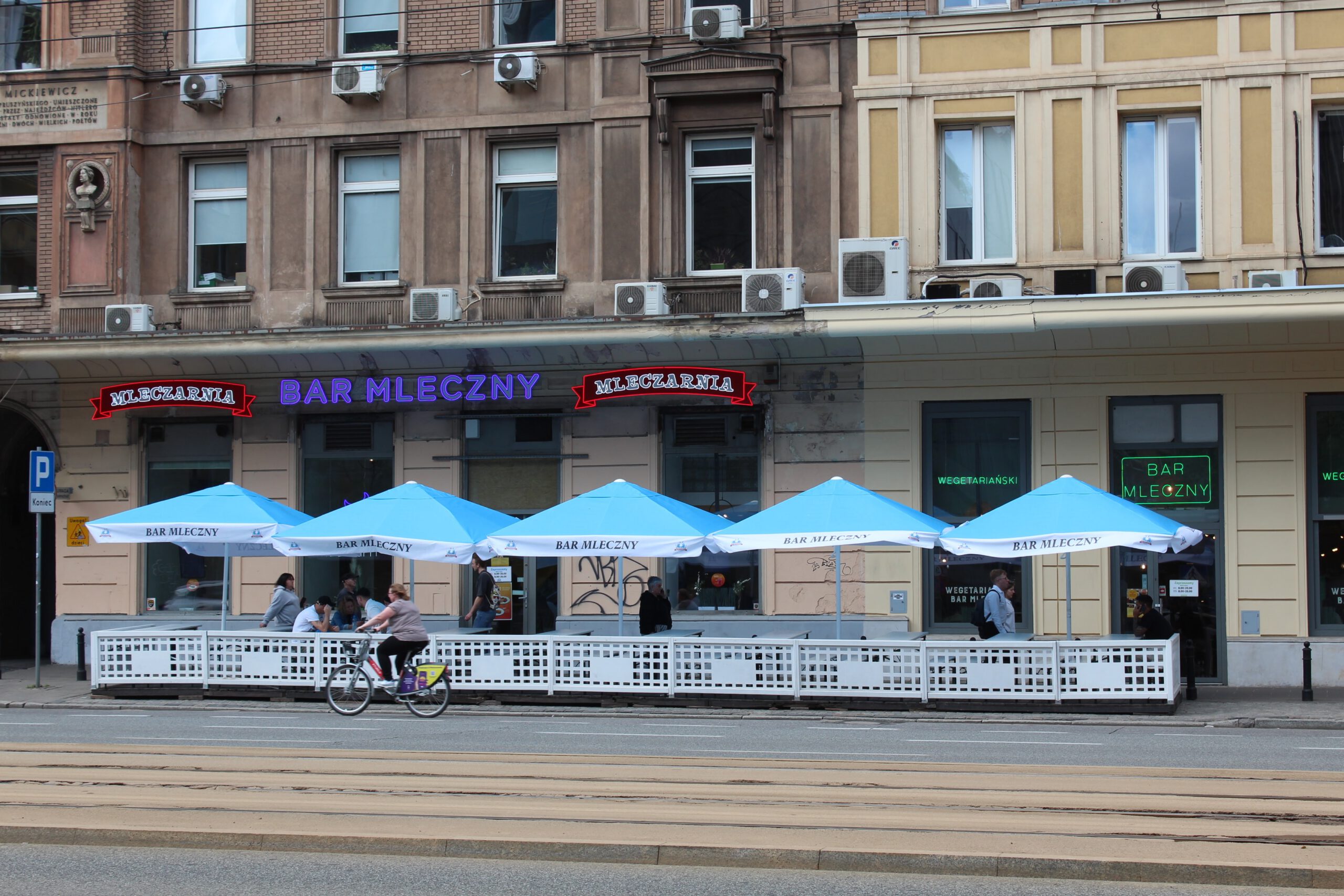
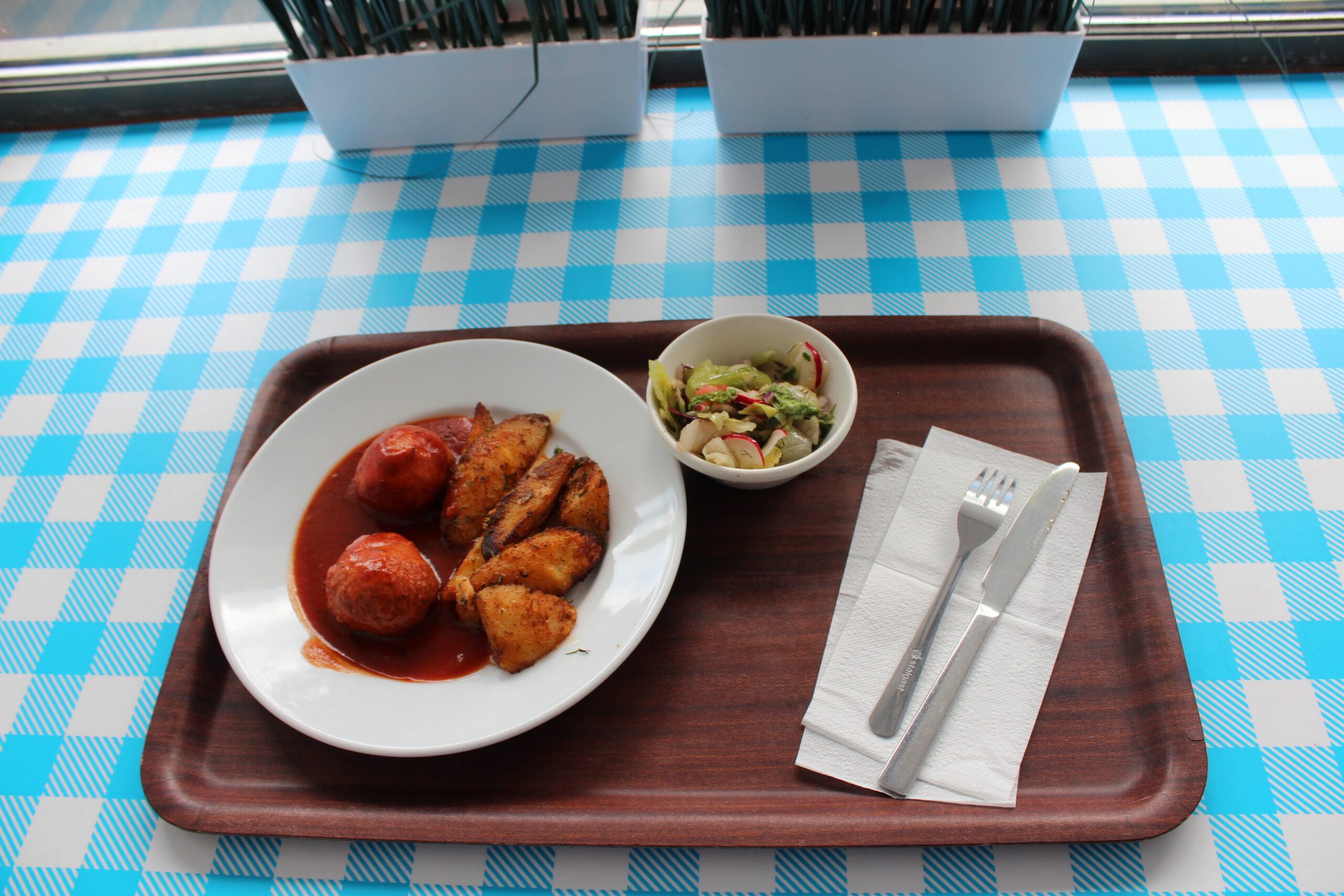
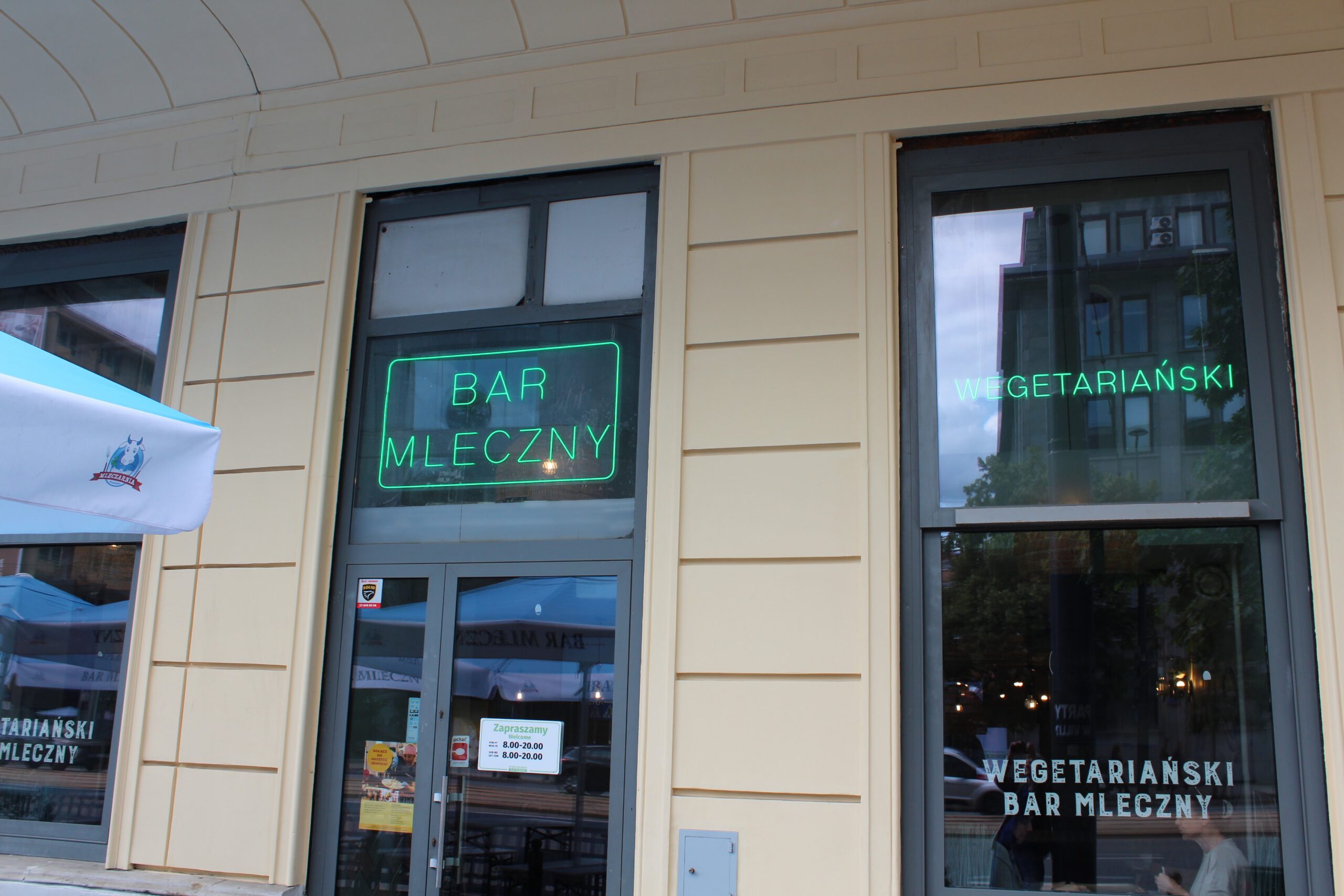
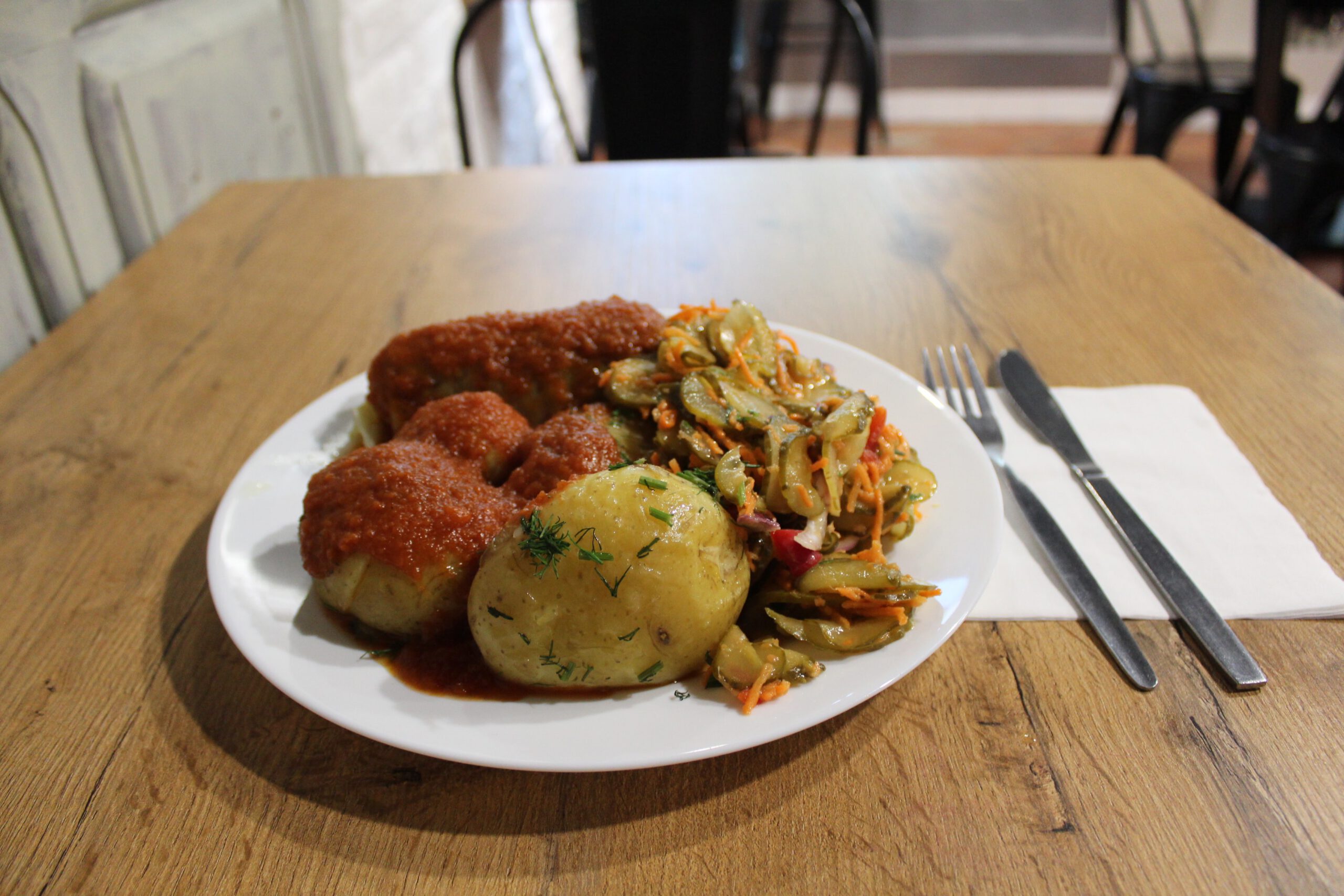
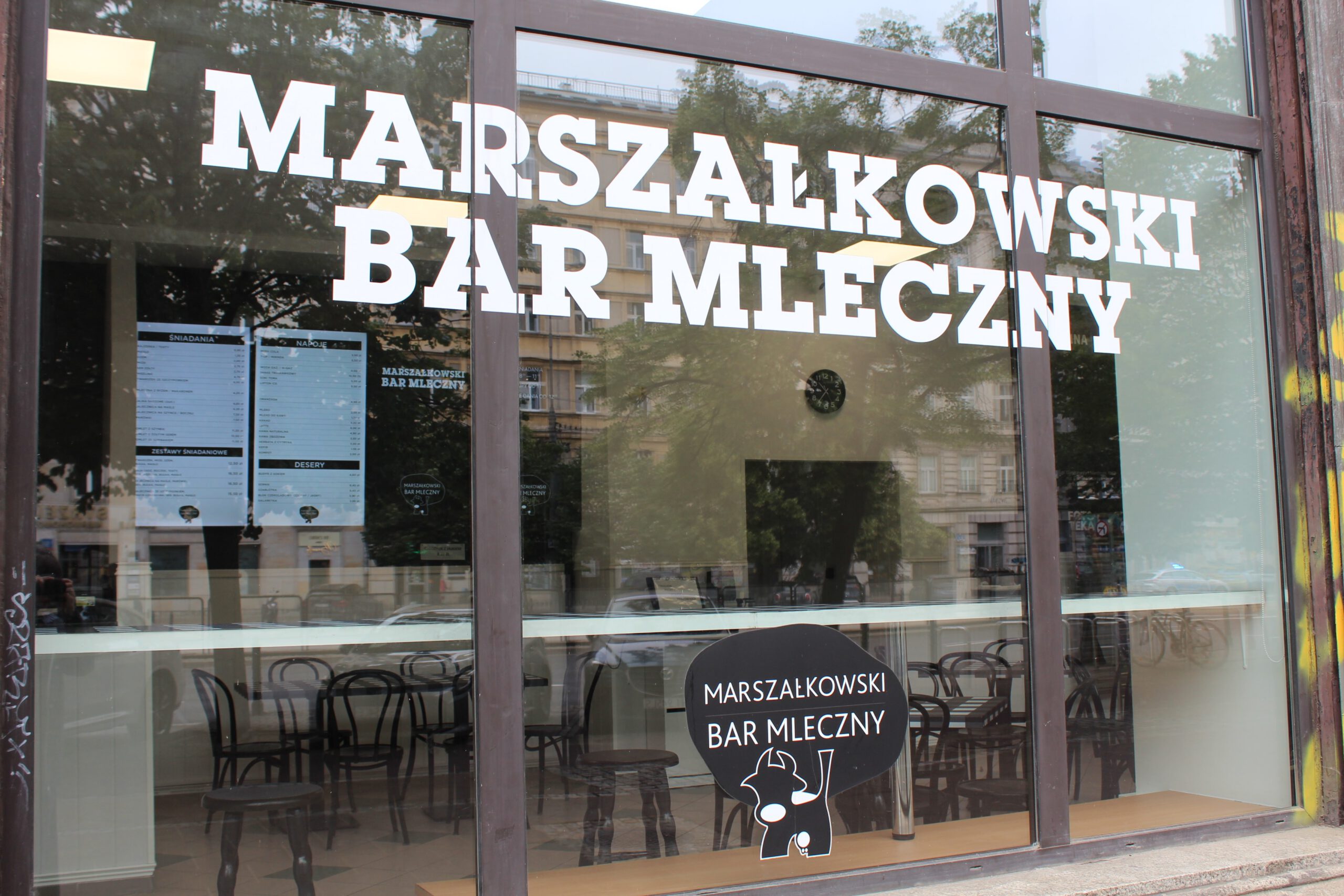
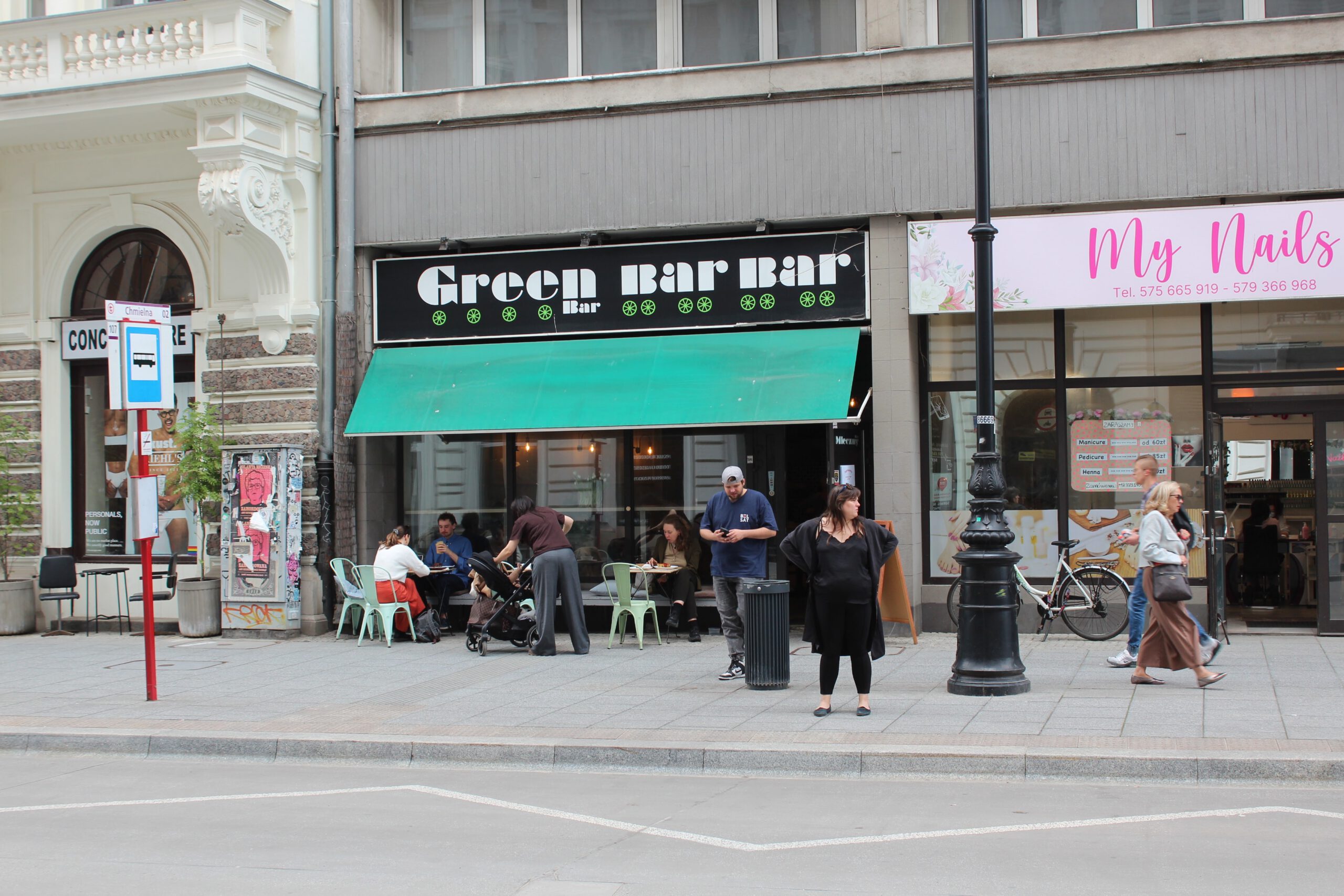
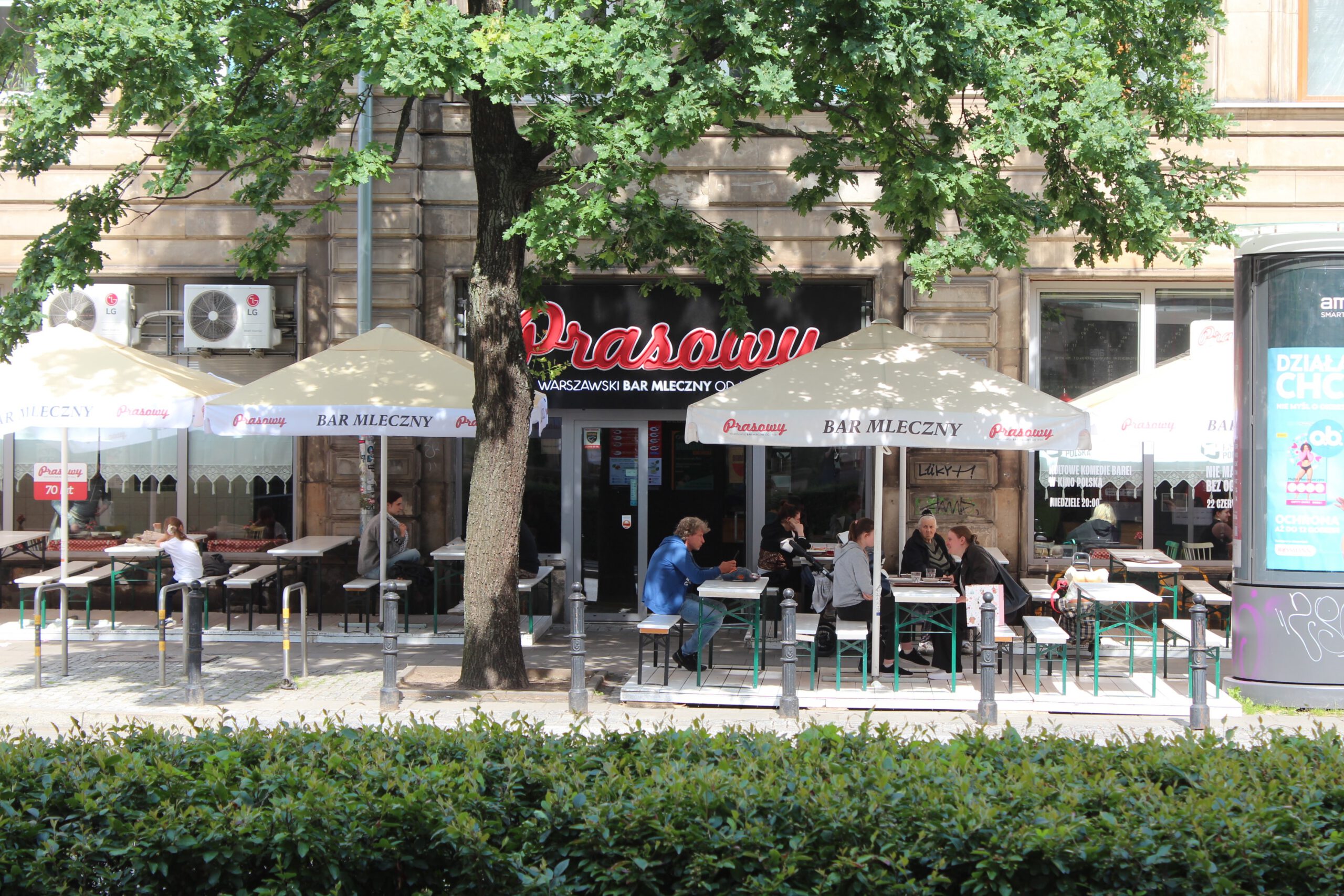
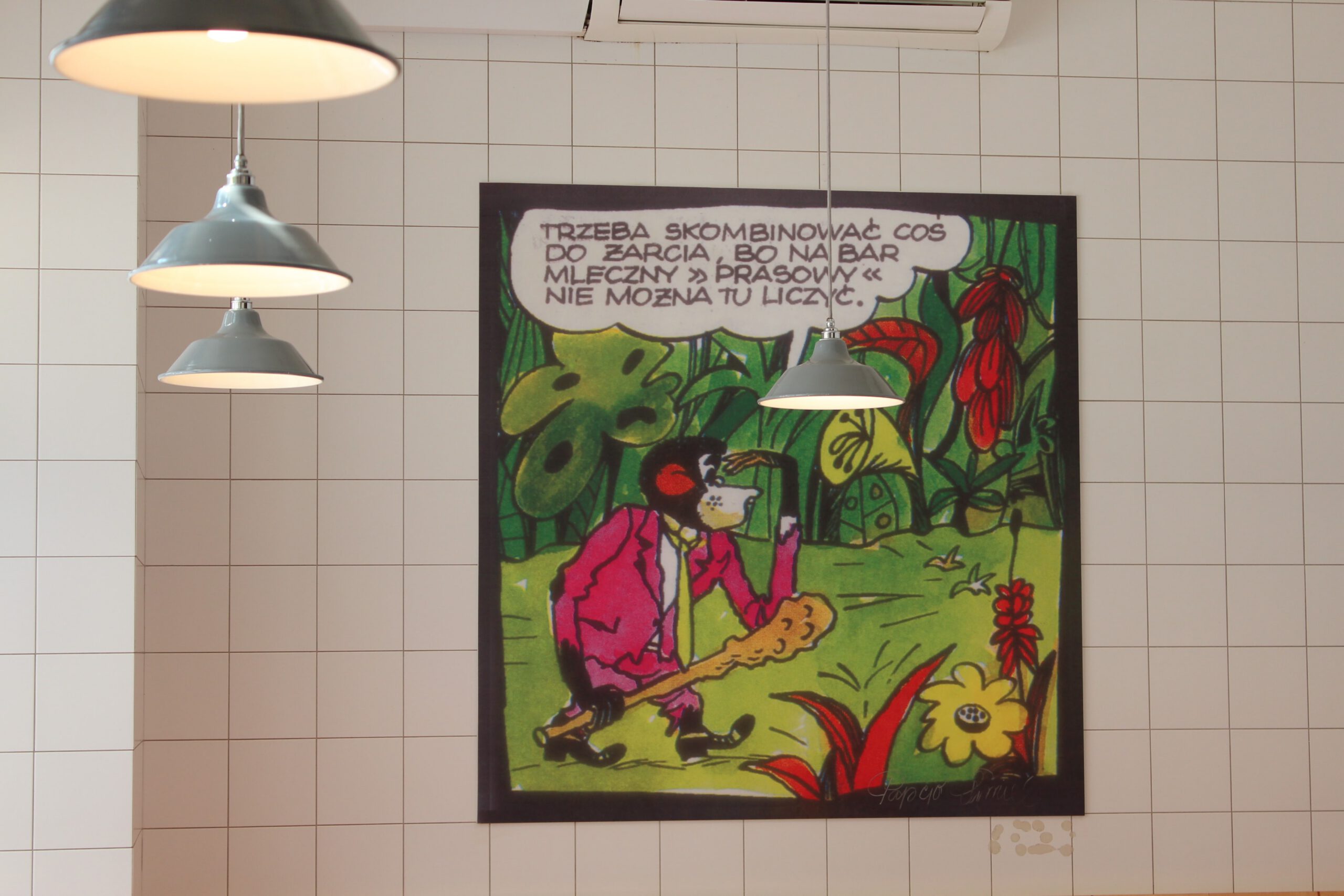
You won’t find such a deal at Burger King and the food is just as good as the nicest restaurant or bar.
Jakub Szwedowski, regular at a Warsaw bary mleczne
Bary mleczne are restaurants serving affordable, home-style meals to the general public – they keep prices low thanks to government subsidies for particular ingredients. There are currently over 100 of these restaurants across the country.
What’s the story?
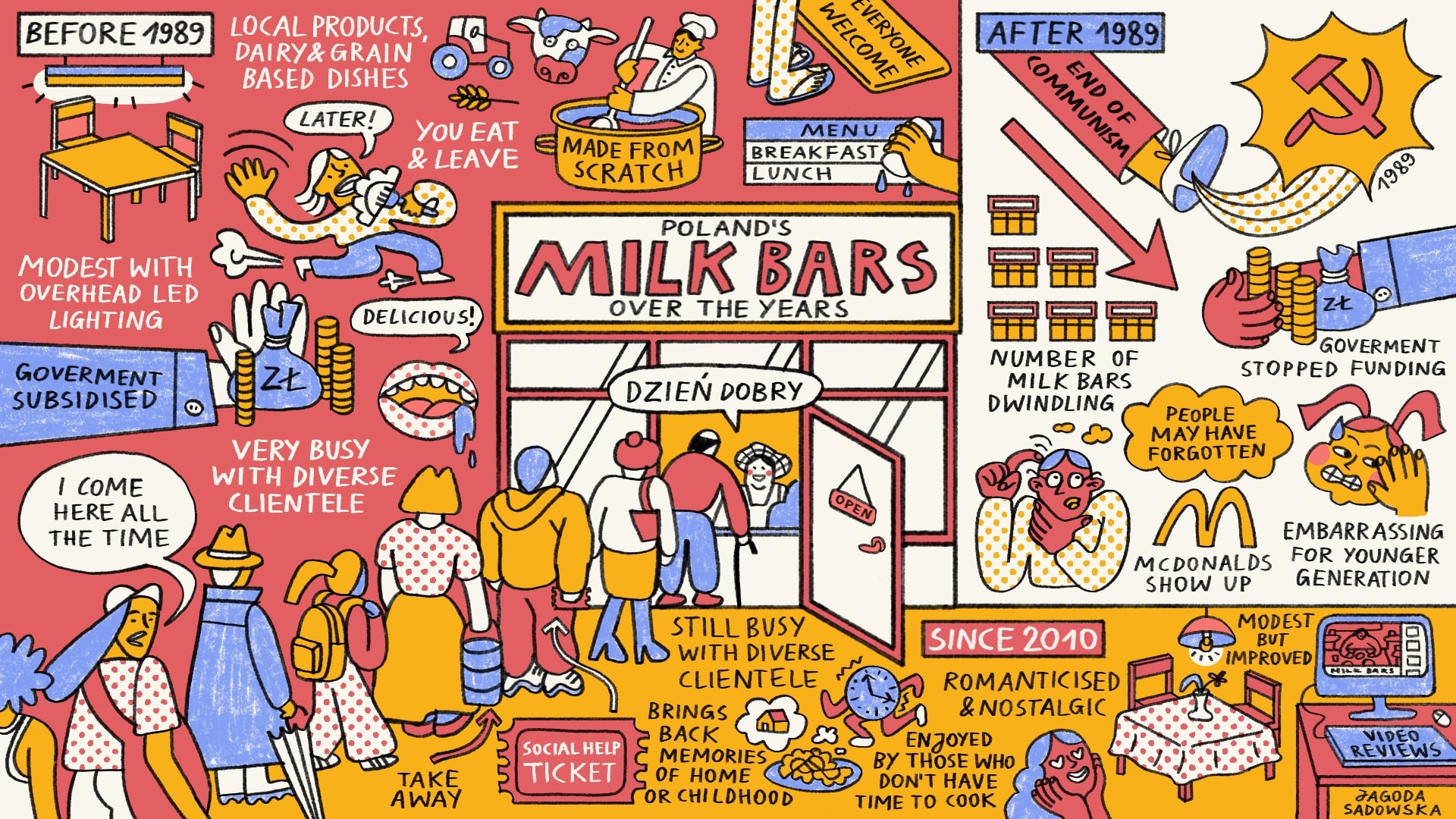
The first milk bar was opened in 1896 by a dairy farmer. It was a mostly vegetarian canteen using milk, dairy products, eggs and flour to create simple, cheap dishes. The commercial success of this model prompted some replication across the country.
When post World War I austerity hit, demand for these affordable eateries skyrocketed. Milk bars flourished under communism, co-opted and funded by the regime. At their peak there were 40,000 operating across the country.
They survived the collapse of the communist regime, and continue to operate – with state subsidy – in today’s market economy.
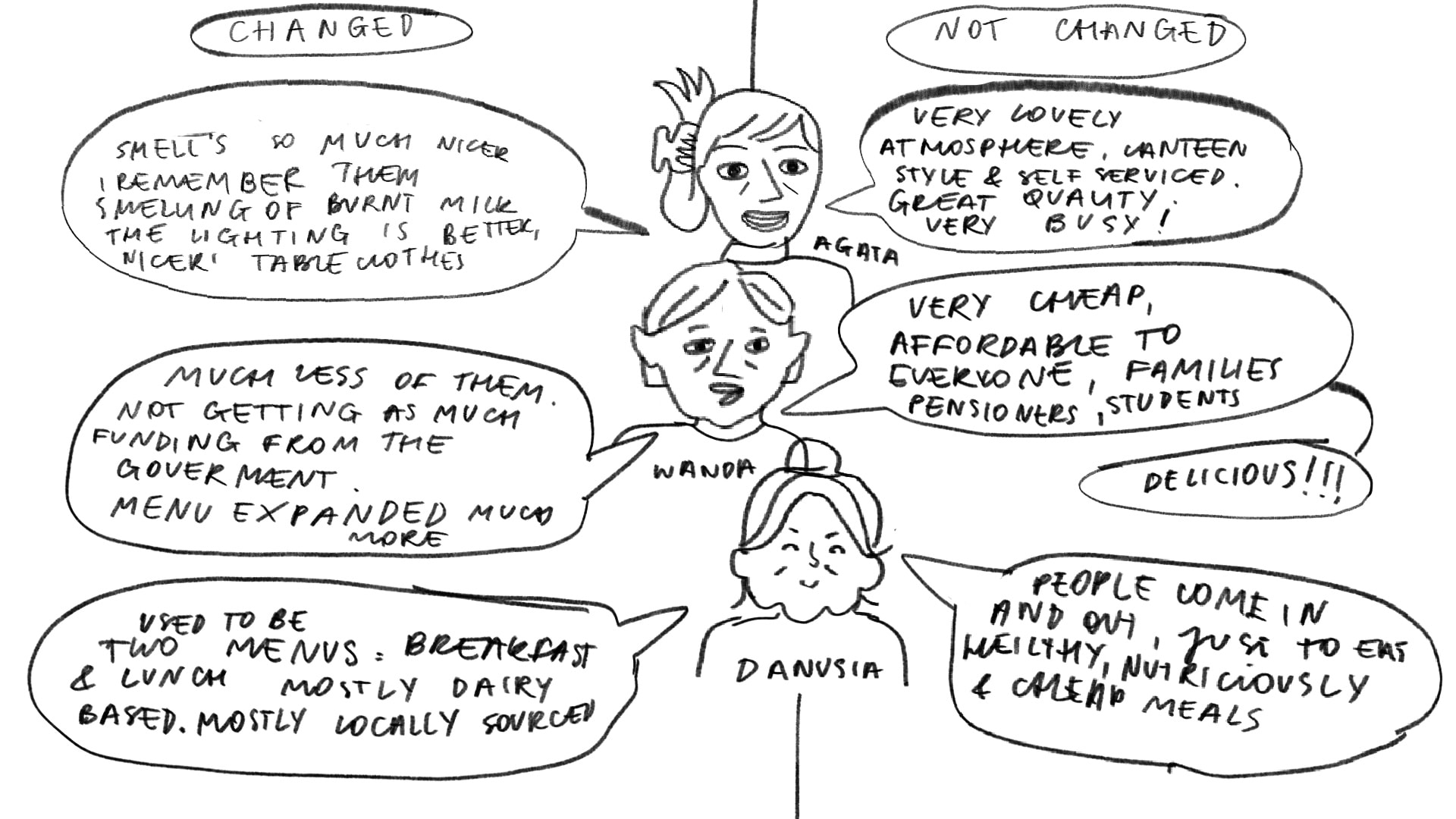
Glasgow-based Polish illustrator Jagoda Sadowska delves in to some of the history of bary mleczne:
How do they work?
The subsidy mechanism is set out in law. The legislation specifies a list of ingredients that can be used in creating subsidised dishes: fresh fruit and veg, pulses, dairy products, eggs, cereals and spices.
The business can add up to 40% mark up, and the final price of the dish is subsidised by 70%.
The operator is allowed to sell non-subsidised dishes alongside the subsidised menu.
For a more detailed discussion on bary mleczne, watch this interview with Kamil Hagermayer, operator of Milk Bar Prasowy in Warsaw, or read an edited version of the interview here.