
International
network
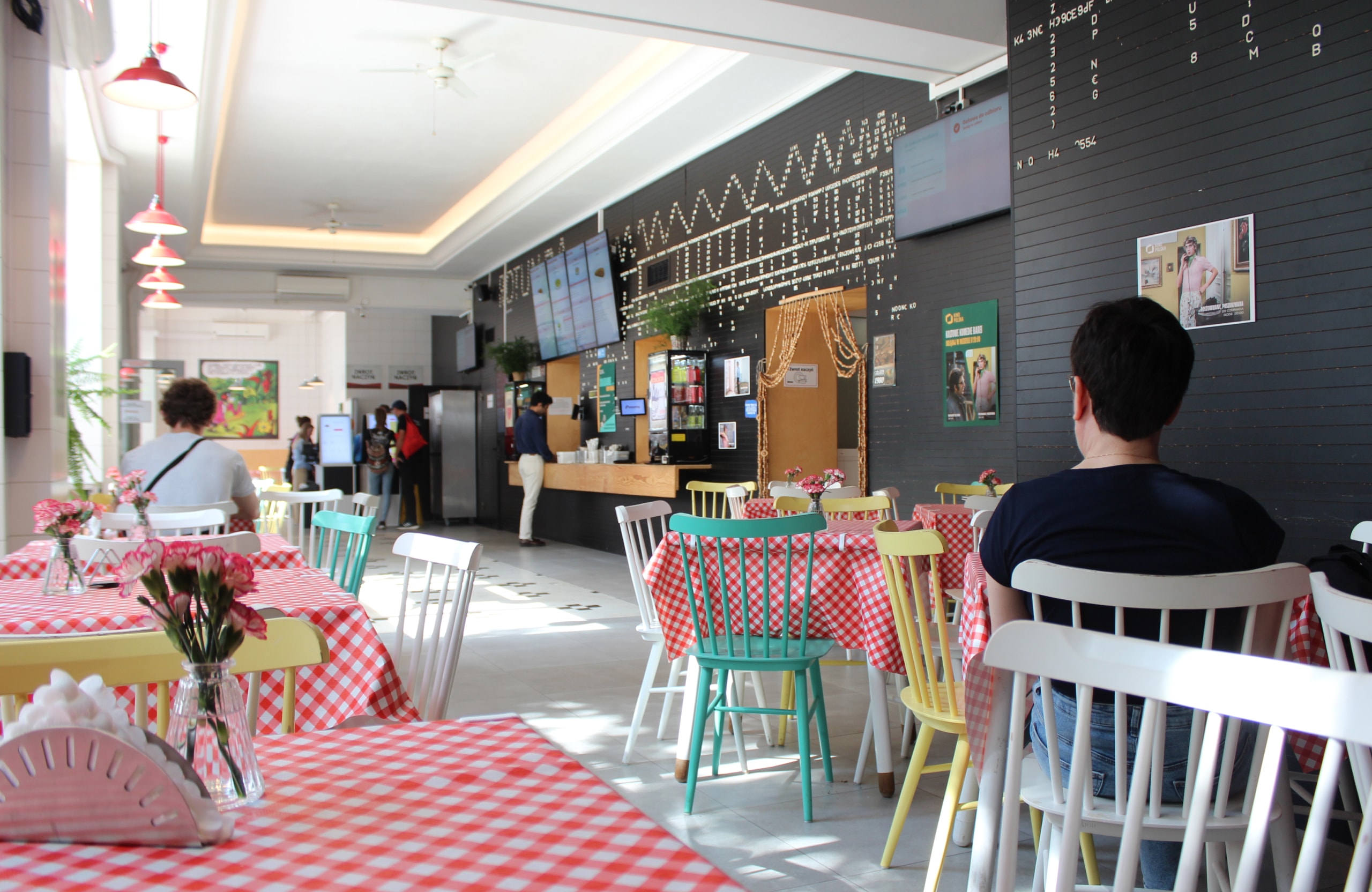
Public restaurants already exist in a number of countries around the world. The idea of them is gaining popularity in many more.
The International Network for Public Restaurants (INPR) is designed to promote the concept and facilitate learning.
INPR is designed to connect governments, organisations and people across the world who are running, testing, or just thinking about public restaurants. The network has two main functions:
- Articulating the concept: defining public restaurants as a distinct public policy option and building shared understanding of their role within public infrastructure.
- Facilitating learning and relationships: connecting governments, researchers, practitioners, civil society, and citizens across countries, so models can be shared, adapted, and improved.
INPR’s Secretariat comprises of four organisations: Nourish Scotland, Public Food (The Netherlands), Community Kitchen (USA) and the Institute of Development Studies (UK).
The network’s learning exchange events are open to everyone. For information about future events, join our mailing list.
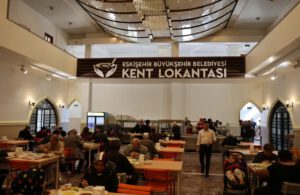
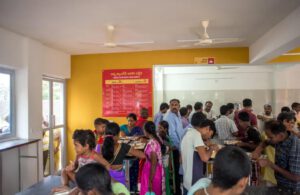
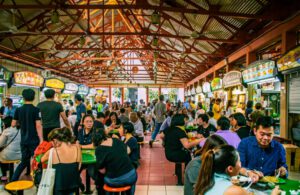
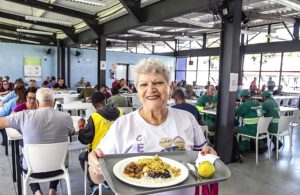
Examples of state-supported, universal public restaurants:


Lessons learned
There is a lot to be learnt from existing public diners. Some important lessons are:
1
State support
There are many options for governance, but state support is always the essential thread.
2
Location is key
Central, well connected locations are important.
3
Low prices
Prices are usually equivalent to a cup of coffee/tea.
4
The right kind of food
Meals need to resonate with the places they operate in.
5
Welcome to all
Open to everyone is what makes them viable – economies of scale + maintained quality.
6
Non-disruptive
They can operate alongside, even complement, other private restaurants